Weaving in Chinchero: Natural Dyes, Alpacas and Andean Textile Traditions
Chinchero is a quiet Andean town above the Sacred Valley, known for its Inca walls, its Sunday market and, above all, its weavers. Visiting a weaving center is one of the most meaningful ways to understand Quechua culture, because every color and pattern has a story.

From raw wool to finished textile
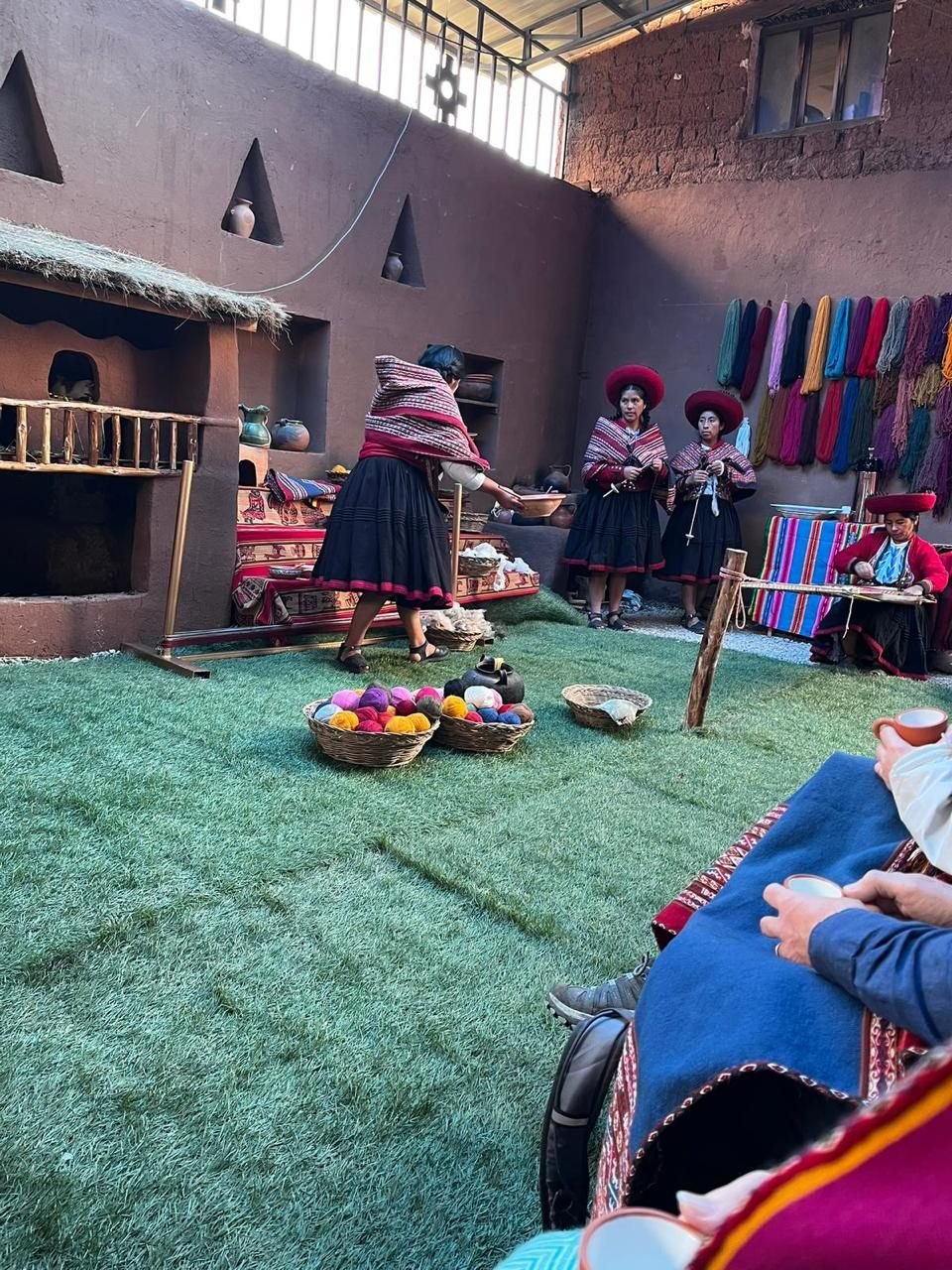
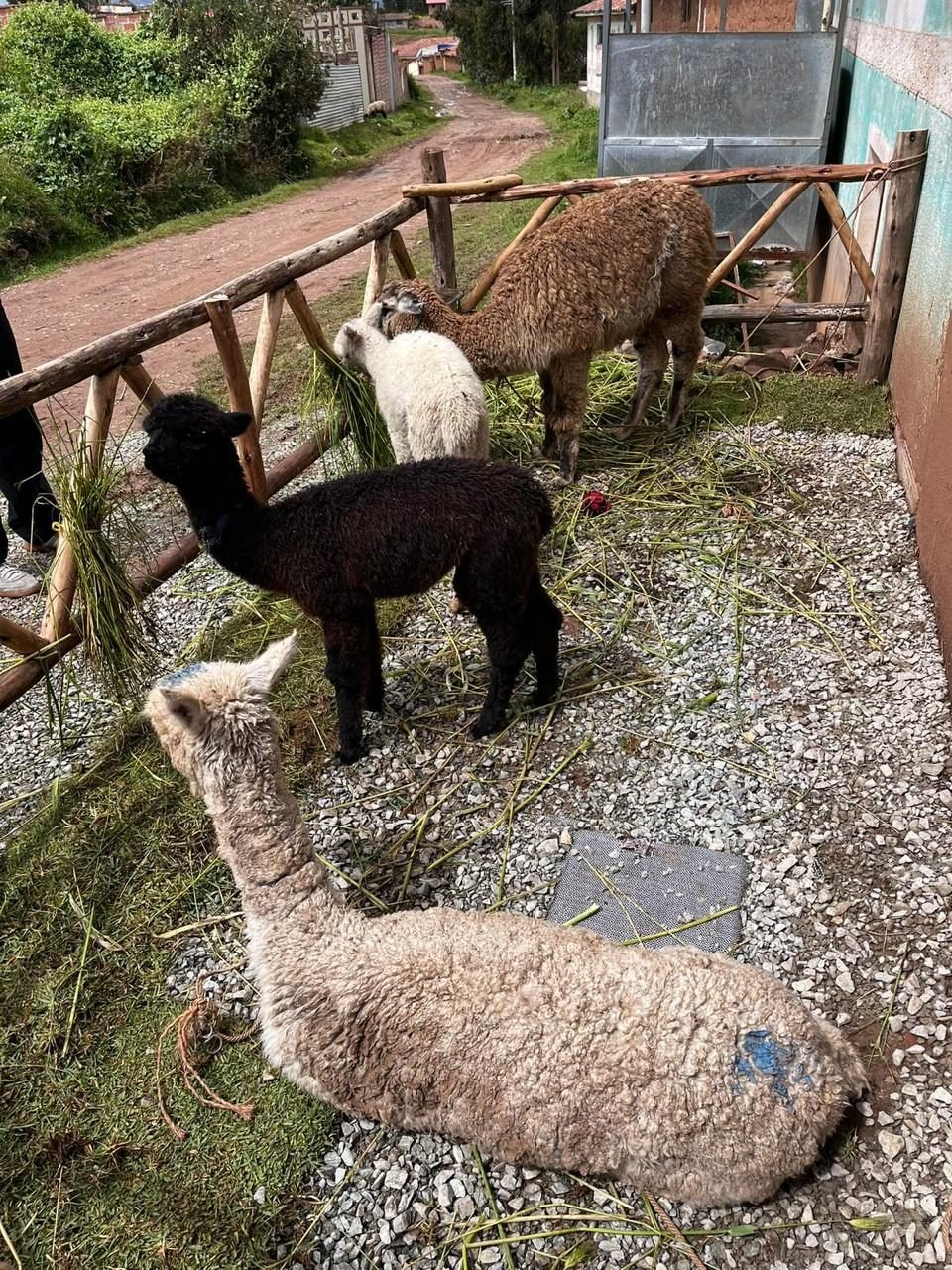
In a typical demonstration the weavers show every step of the process: washing the wool with natural ingredients, spinning it by hand, dyeing it and finally weaving it on a traditional loom. The wool comes mostly from alpacas and sheep, and the weaving techniques are passed down from mothers to daughters.
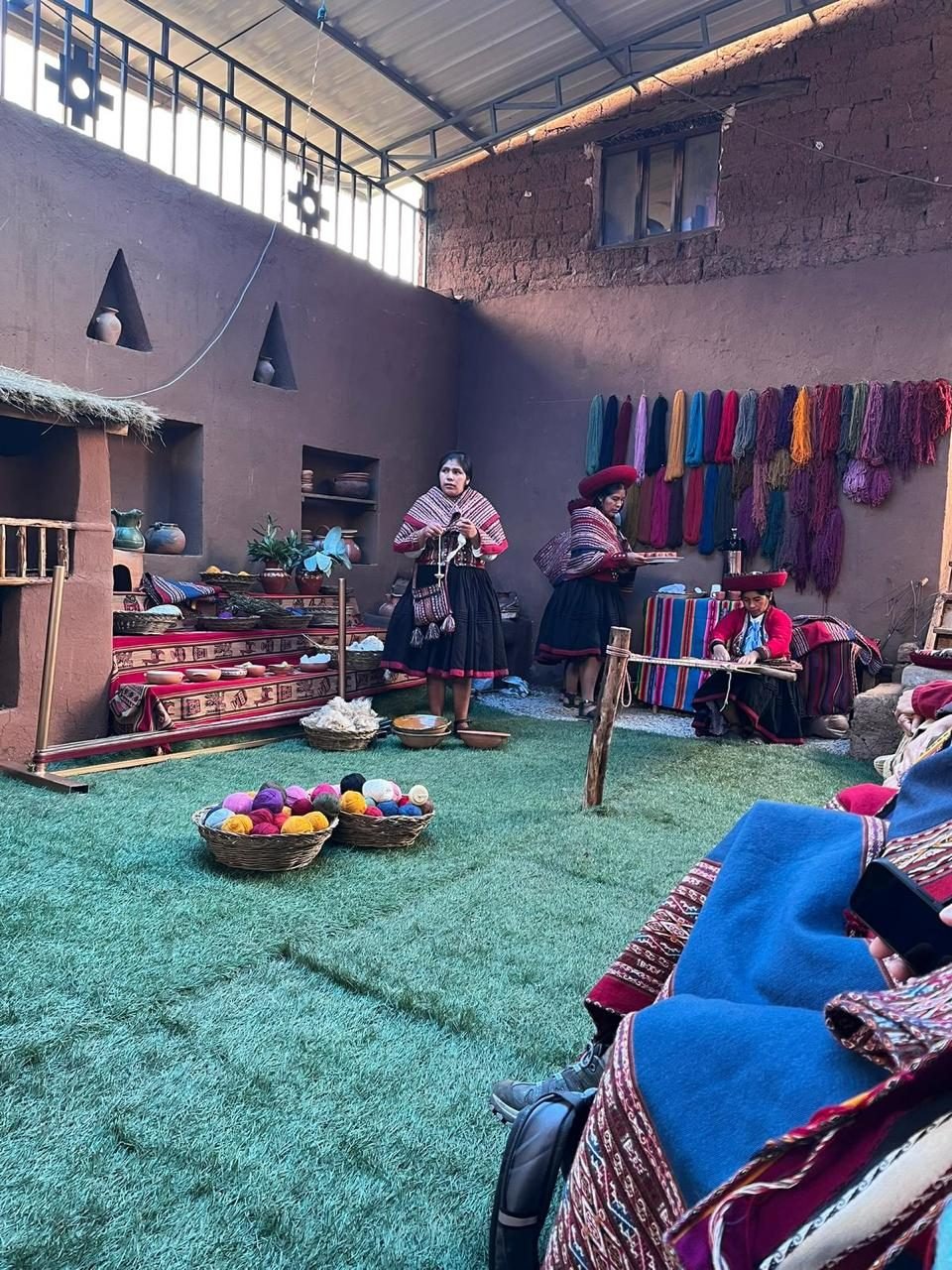
The colors come from plants and insects
The bright reds, blues, yellows and greens are made with natural dyes from plants, minerals and cochineal, a small insect that produces a deep red. The weavers often mix the dyes in front of visitors and change the shade by adding ingredients such as lime or salt, so you can see the transformation in real time.
Why it matters when you buy
Buying directly from the weavers supports the community and helps keep the tradition alive. Handmade pieces take many hours or even weeks, so prices reflect real work. Ask about the materials: genuine alpaca feels soft and light, while synthetic imitations tend to feel stiff.
- Ask the weavers to explain the symbols in each design.
- Compare the weight and softness of baby alpaca, alpaca and sheep wool.
- Bring small bills, since many communities prefer cash.
- Respect the weavers and ask before taking close-up portraits.
Include a weaving community visit in your Sacred Valley day
View the Sacred Valley Classic tourOur Sacred Valley VIP tour also includes cultural stops like this one.